



Blog
The personal story of Dr. Maria Aleksandrova, veterinarian and nutritionist at Divus.
“Food is not just a bowl of calories. It is the quietest, yet most powerful factor for health.”
This is the story of how I began to see nutrition not as a “product,” but as a quiet, daily form of care for health.
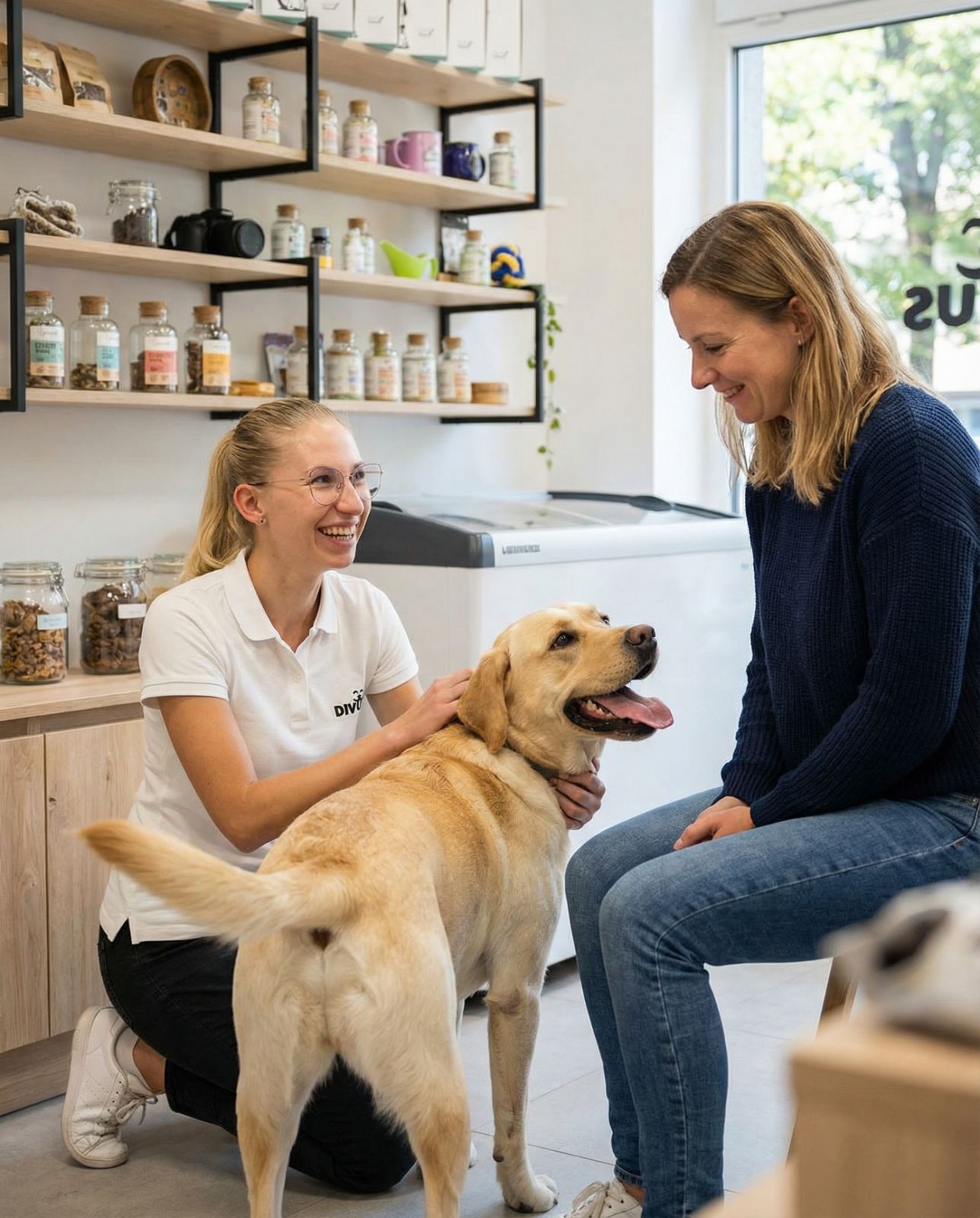
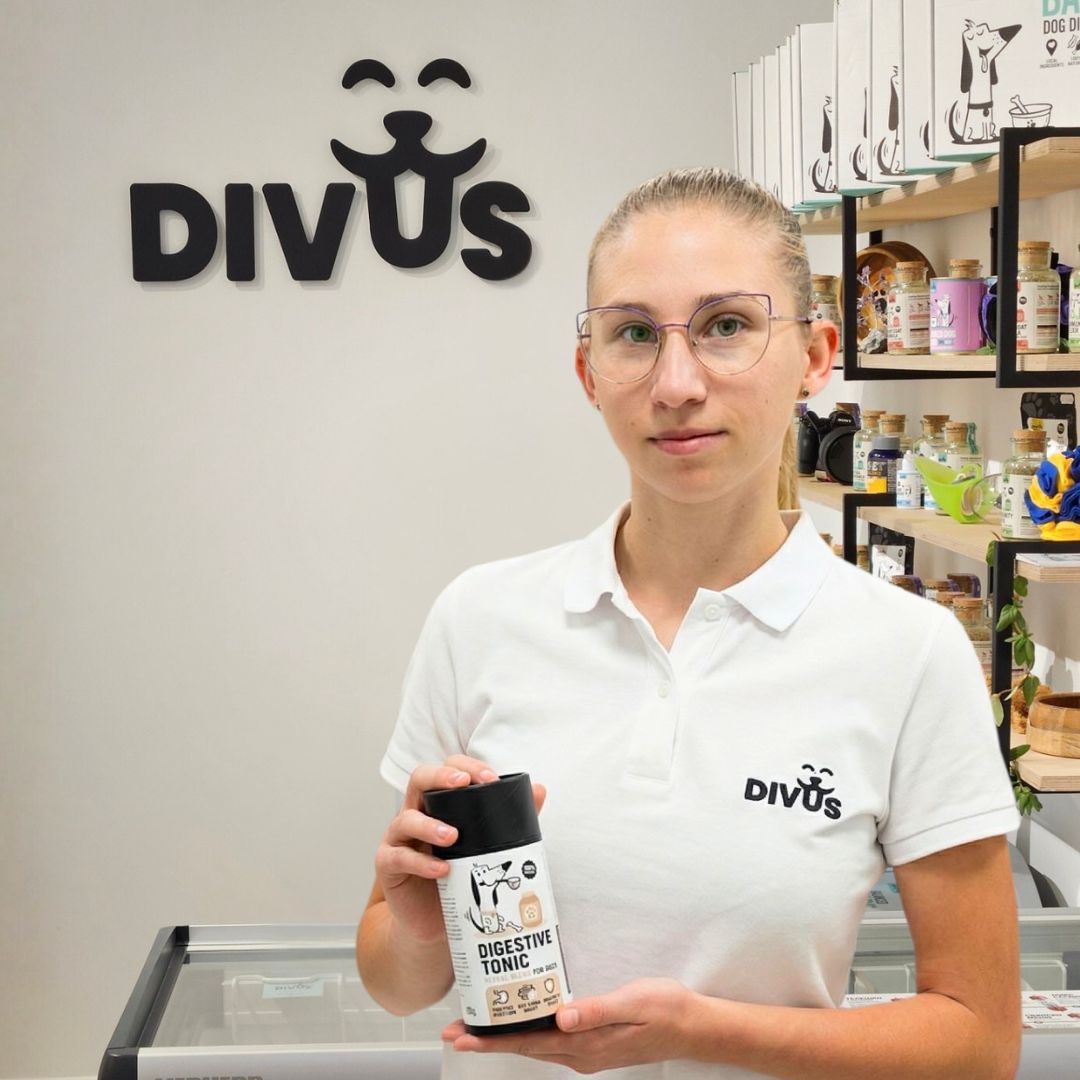
My name is Dr. Maria Aleksandrova. I started working at Divus with the confidence of someone who had graduated in veterinary medicine and believed they understood animal health. One year later, I can honestly say that only now do I realize how much of health begins in the bowl.
At university, we learn how to diagnose, treat, and respond in crisis situations. But prevention through nutrition is hardly given the place it truly deserves.
Dietetics is present, but it often remains superficial. Topics such as the role of moisture, the true quality of protein after processing, the gut–immunity connection, and the physiological needs of the dog are rarely explored in depth.
And that is exactly where lasting health begins.
When I became part of the Divus team, for the first time I was confronted with the concept of “biologically appropriate food.” That was when I understood something very important — feeding your dog natural products is far from enough and can be completely wrong.
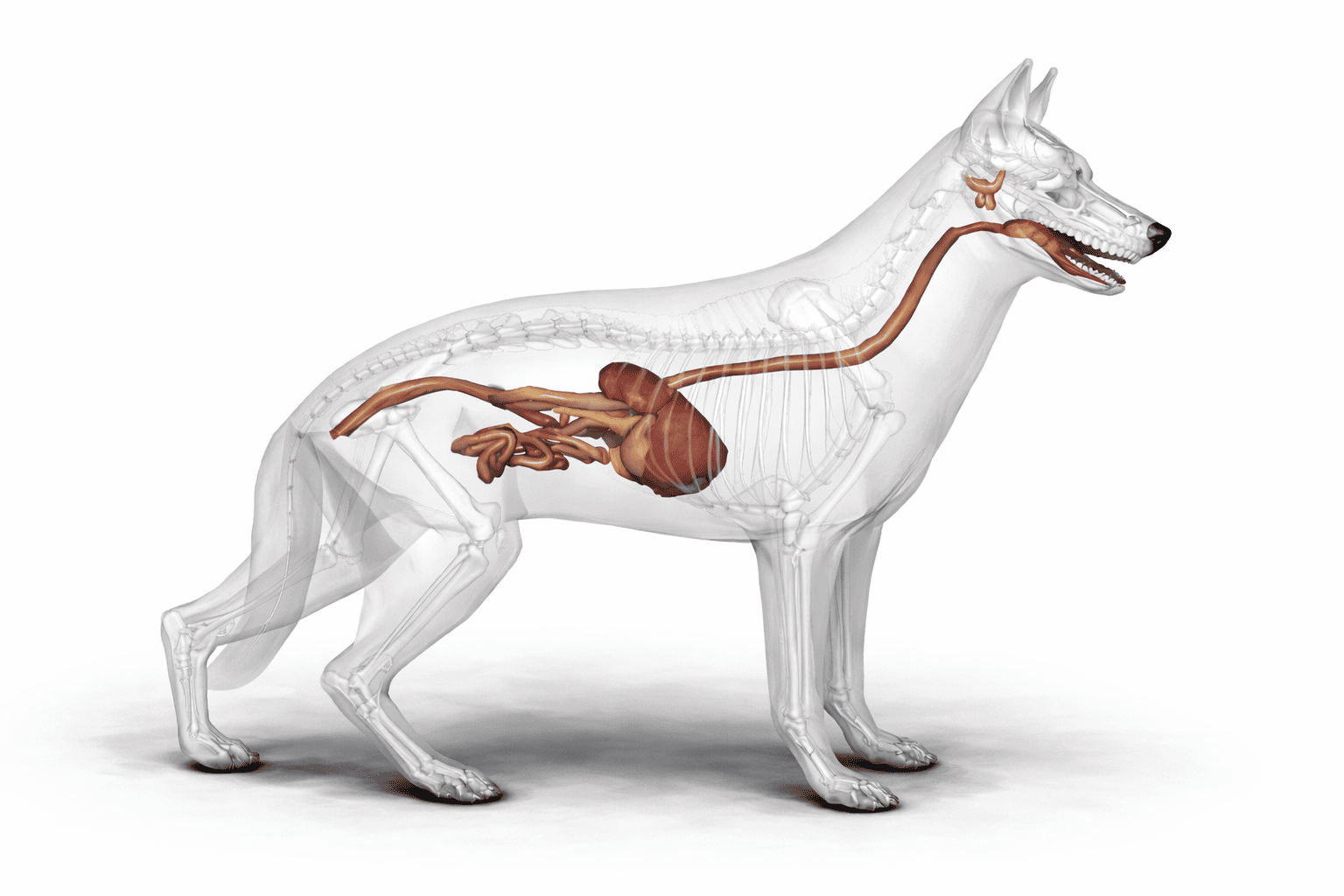
The dog is a facultative carnivore — its body is designed for a diet based on animal protein, animal fats, and high moisture, even though it can survive on a carbohydrate-rich diet.
This is not a marketing claim, but physiology.
The dog’s digestive tract is significantly shorter than that of herbivores. This means food passes through it quickly and that it is adapted to break down concentrated animal protein and fats, not to rely on prolonged fermentation of plant carbohydrates.
The dog’s stomach is highly acidic. During feeding, the pH can drop to around 1–2 — an environment designed to break down raw meat, connective tissue, and bones, as well as neutralize bacteria. This is a typical carnivore trait.
Enzymatic activity confirms the dog’s carnivorous physiology. Dogs produce high levels of proteases and lipases — enzymes that break down proteins and fats — while amylase production (the enzyme for starch) is limited compared to herbivores and humans. Yes, the dog can digest carbohydrates, but that does not mean they should be the foundation of its diet.
That is why, when food is rich in real animal protein, contains natural fats, and provides sufficient moisture, the body functions more closely to the way it was evolutionarily designed to work.
And that is exactly why we talk about biologically appropriate food — not as a trend, but as a return to physiology.
When theory met practiceI decided to enroll in a nutrition certification course to deepen my knowledge.
That course became a turning point.
Not because I learned something “sensational,” but because I began to connect the dots.
During those months, I understood how thermal processing above 100–120°C alters protein structure, and how denaturation and processes such as the Maillard reaction can reduce the biological value of amino acids.
I realized what ultraprocessing truly means: it is not simply “cooking,” but mechanical extrusion under high temperature and pressure, after which the food is dried down to 8–10% moisture.
The gut microbiome plays a key role — the composition of food shapes the bacterial environment in the intestine, which in turn influences immunity, skin, and behavior.
Chronic dehydration in dogs fed dry food is not harmless. When food contains minimal moisture, the body must compensate through water intake, but physiologically the dog is designed to obtain a significant portion of its fluids through food. The constant need for additional hydration places long-term stress on the kidneys and urinary system.
A carbohydrate-rich diet leads to sharper rises in blood glucose. In response, insulin is released, directing energy toward storage rather than burning. When this process repeats day after day, metabolism gradually shifts into retention mode instead of physiological balance.
The dog can digest starch, but physiologically it is built to use fats and protein as a more stable energy source. Carbohydrates can also provide energy, but they cannot build muscle mass. The difference shows in body condition, endurance, and steadier energy throughout the day.
I also learned how essential essential amino acids — the building blocks of life — truly are. The dog’s body cannot produce them on its own in sufficient amounts, so they must be supplied through food, and the most valuable source of them is meat.
Amino acids such as lysine, methionine, threonine, tryptophan, and arginine are essential for building muscle tissue, synthesizing enzymes and hormones, and producing antibodies and neurotransmitters. Skin regeneration, coat condition, immune stability, hormonal balance, and nervous system resilience all depend on them.
When these amino acids are insufficient or not biologically available, the body begins to compensate. The deficiency does not appear suddenly — it develops gradually. The first signs are a duller coat, more hair on the floor, and wounds that heal more slowly. Then come frequent skin irritations, “seasonal allergies” that never fully go away, recurring digestive issues, lower resilience, and weight changes.
And we treat the symptoms with creams, antibiotics, supplements, and diets “for sensitive stomachs.”
But rarely do we ask: is the body getting enough of its own fundamental building blocks?
That was when I realized something that shook me as a veterinarian: it is not enough for a food to contain a “percentage of protein.”
What matters is where that protein comes from and whether it provides the full amino acid profile the body recognizes.
Food is not a neutral factor. It either supports physiology or burdens it. I began to see it not as a product on a shelf, but as a daily medical intervention. That changed the way I relate to guardians, the way I see the bowl, and the way I understand my profession.
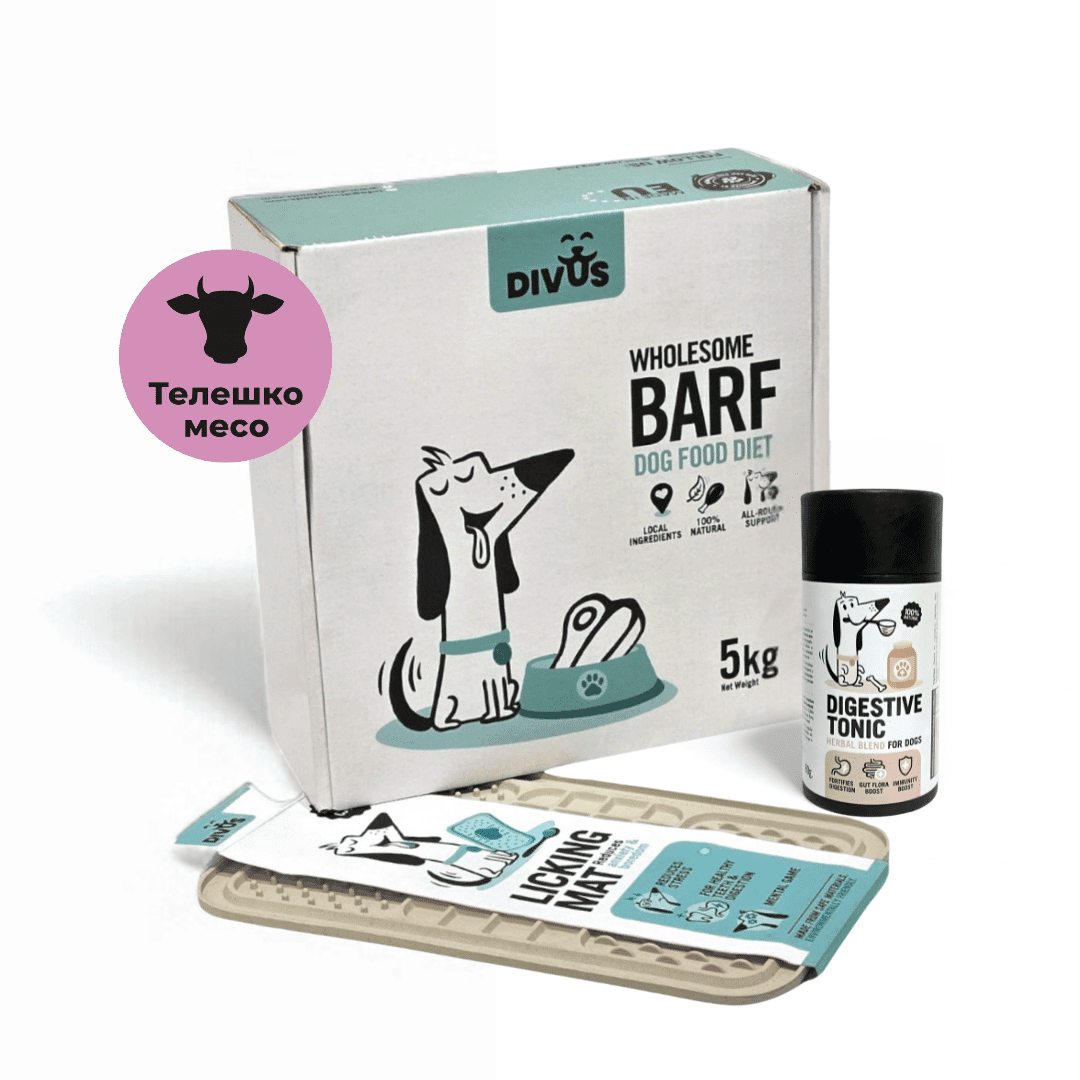
At Divus, we offer food in different forms because we believe there is no universal formula — there are only sound principles.
Raw food (BARF)
- 80% animal protein
- High moisture (~65–75%)
- Local ingredients
- Frozen processing
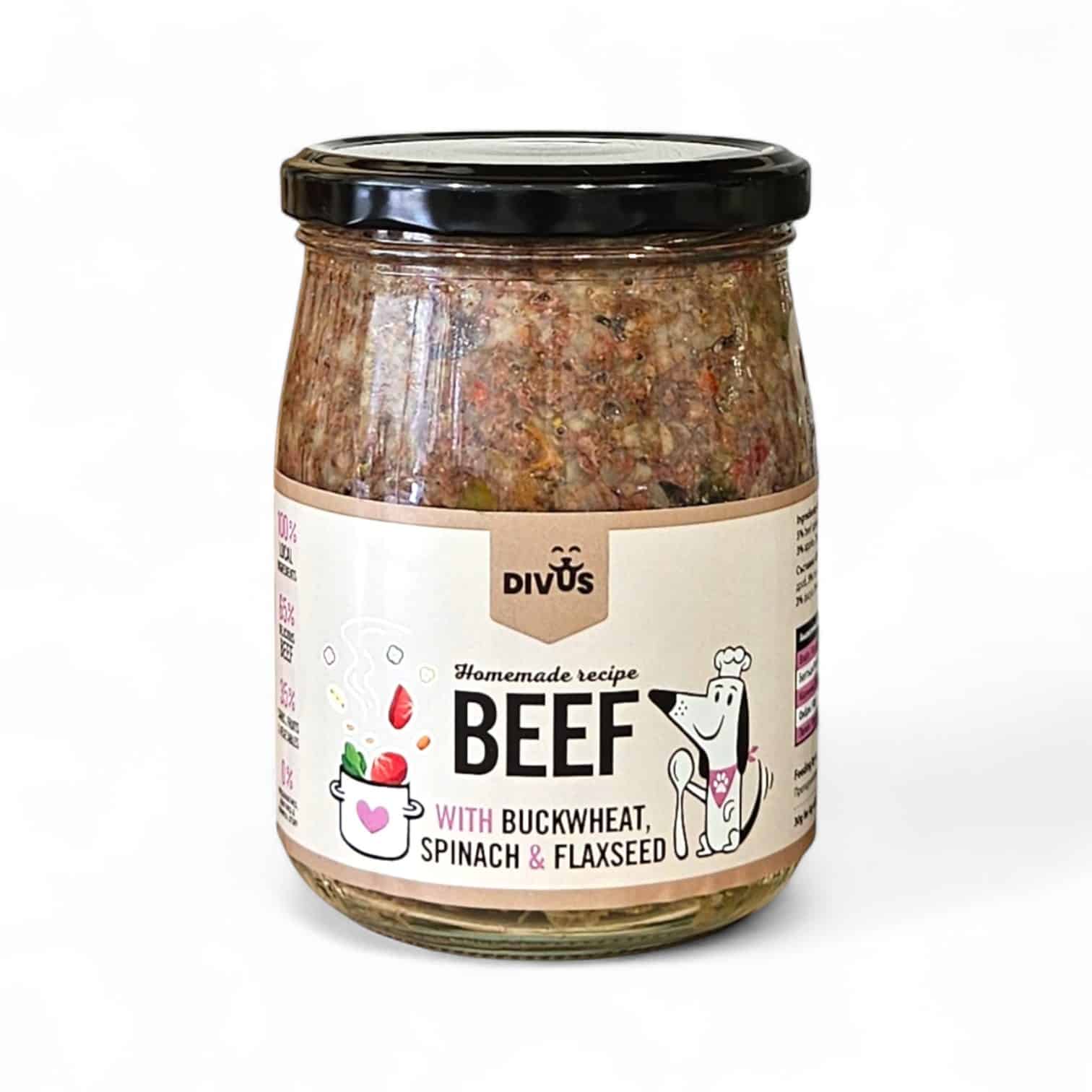
Slow-cooked food in jars
- 70% animal protein
- Approximately 60–70% moisture
- Local ingredients
- Sterilized
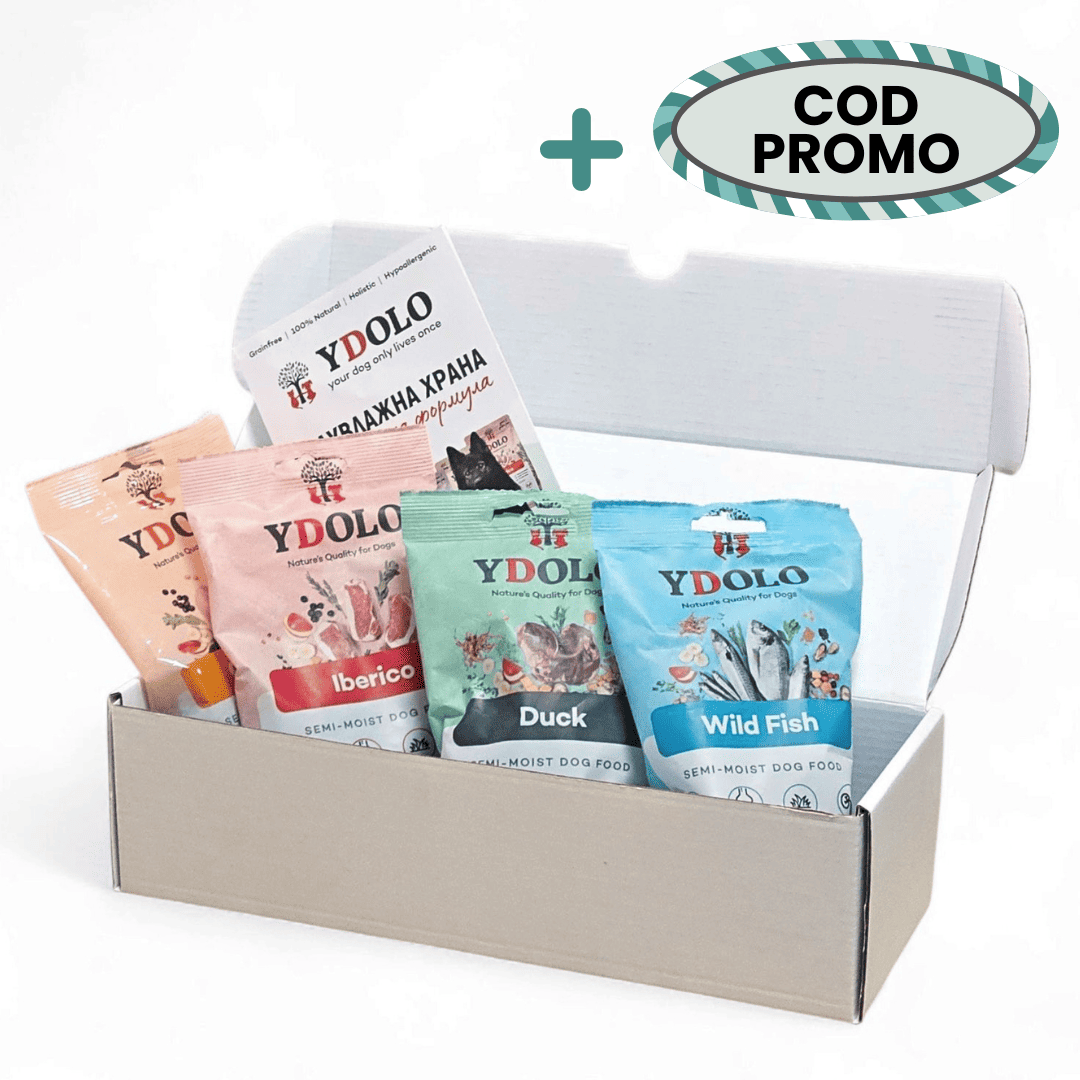
Semi-moist food
- 75% animal protein
- 16–20% moisture
- No grains, gluten, or fillers
- Slow-cooked (~78°C)
Transitioning to a new food should be gradual and controlled.
The dog’s body adapts to a certain composition and a certain way food is processed, which is why a sudden change can lead to temporary discomfort.
Introducing the new food gradually over 7–10 days gives the digestive system and intestinal microflora time to adjust calmly.
During this process, monitor appetite, energy, and stool. In sensitive dogs, the transition may need to be slower.
Very often I hear: “He has never eaten with such appetite,” “She used to refuse kibble, we thought she was picky,” and “For the first time, he no longer has stomach issues.”
And these sentences do not come from advertisements, but from guardians who had tried everything else.
Over the past year, I have been happy to observe positive changes in our clients — coats shedding far less, healthier digestion, reduced chronic inflammation, more energy, and better weight regulation.
These are not miracles, but physiology, when the body receives the right conditions. Sometimes, instead of more medication, we need to change the foundation — the food.
It is wonderful when there is varied and high-quality food for our pets. We started giving it to them recently and they enjoy it very much.
Beri looks forward to every meal. He feels wonderful and absolutely loves his menu. Thank you!
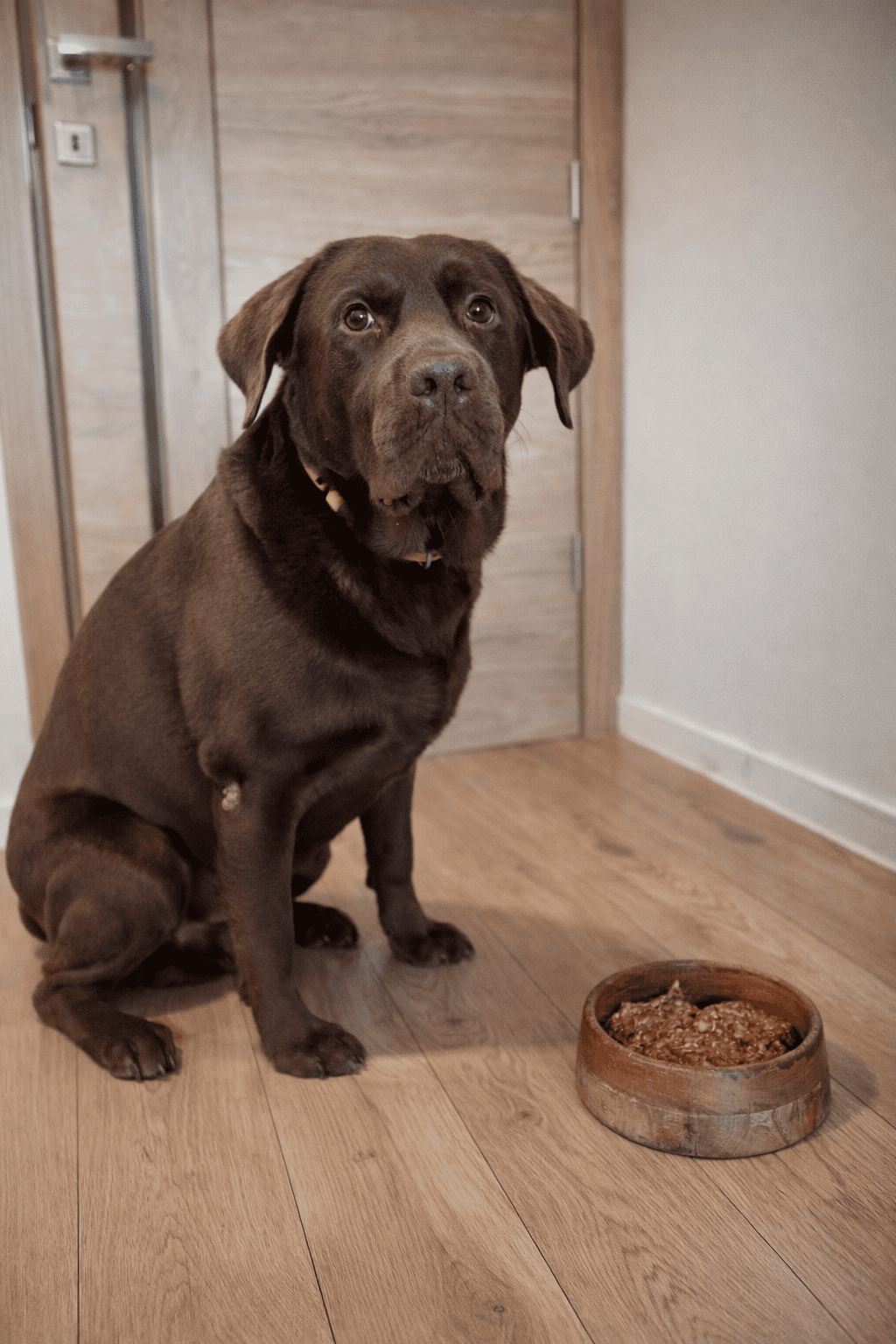
Our little Roshko loved the food so much. He is usually quite picky, but this beef dish he eats down to the very last crumb! I highly recommend it!
For a month now, Hari has been eating from Divus’s new cooked line, and I can confidently say it suits him perfectly. He has a wonderful appetite and gets genuinely excited at every meal. The food smells extremely appetizing, like homemade cooking prepared with lots of love. Thank you from my healthy and happy little dog.
Today, as a veterinarian and certified nutritionist, I can clearly say what should not be present in a dog’s bowl every day:
We will show you a short explanation of why this is not a good daily foundation for the bowl.
Divus did not just give me a workplace — it made me rethink my role as a veterinarian. We can treat the consequences, or we can start from the foundation. And the foundation is food.
With biologically appropriate nutrition, the body functions in harmony with its nature.